Praise
“A powerful and densely detailed account of how digital culture in the 1960s and ’70s shaped our contemporary experiences of technology as a tool for social connection.”
“A major revision of our understanding of the history of computing… The book is also a delight to read.”
“Rankin is a masterful storyteller of the paths-not-taken.”
“A vivid and sympathetic portrait of a computing culture we have lost… a groundbreaking work.”
“What a pleasure to read a well-written, meticulously researched book.”
“Rankin succeeds beautifully in refocusing early computer history away from Cold War-driven military projects and Silicon Valley genius.”
“Forcefully revisionist… we need yet more research of this quality.”
About the Book
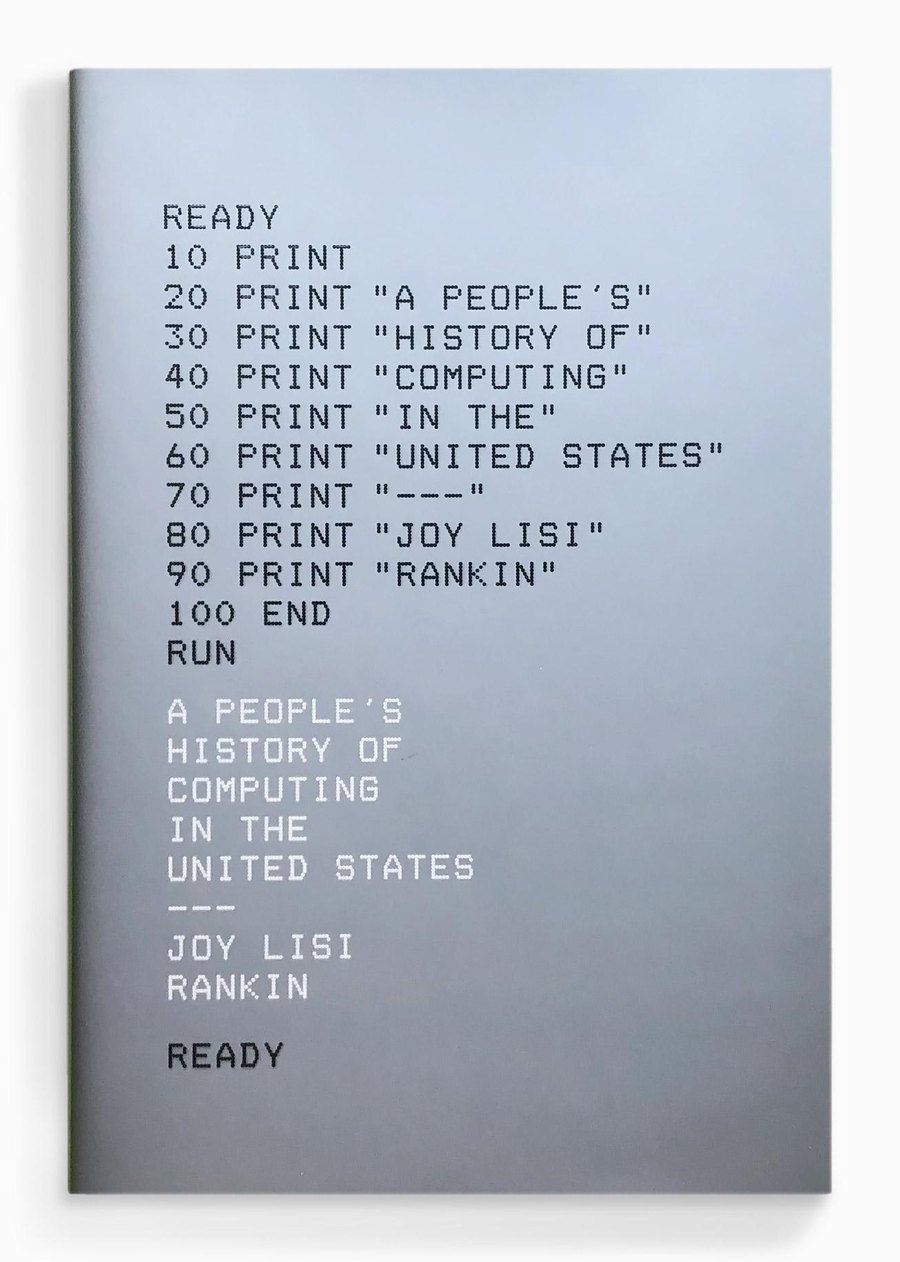
Silicon Valley gets all the credit for digital creativity, but this account of the pre-PC world, when computing meant more than using mature consumer technology, challenges that triumphalism.
The invention of the personal computer liberated users from corporate mainframes and brought computing into homes. But throughout the 1960s and 1970s a diverse group of teachers and students working together on academic computing systems conducted many of the activities we now recognize as personal and social computing. Their networks were centered in New Hampshire, Minnesota, and Illinois, but they connected far-flung users. Joy Rankin draws on detailed records to explore how users exchanged messages, programmed music and poems, fostered communities, and developed computer games like The Oregon Trail.
These unsung pioneers helped shape our digital world, just as much as the inventors, garage hobbyists, and eccentric billionaires of Palo Alto. By imagining computing as an interactive commons, the early denizens of the digital realm seeded today’s debate about whether the internet should be a public utility and laid the groundwork for the concept of net neutrality. Rankin offers a radical precedent for a more democratic digital culture, and new models for the next generation of activists, educators, coders, and makers.
Advance Praise
“We’re familiar with the story of an American computing culture created by great men—geniuses and mavericks. Very rarely have we heard about exceptional women who made significant contributions to hardware and software development. A People’s History of Computing in the United States subverts that old story and takes us into the homes, classrooms, and offices of ordinary Americans—girls and boys, women and men—who built an extraordinary, vibrant digital culture long before the arrival of the PC in the 1980s. The girls (and boys) who code today are the successors to the democratic computing culture that once thrived in this country.”
“A fascinating story of personal and social computing long before the advent of personal computers, the internet, and social media. A compelling challenge to the traditional male-dominated narrative of the importance of personal computers and ARPANET in laying the groundwork for today’s digital world.”
“Digital computers were brought to us by their inventors, a story frequently told. The digital revolution, in contrast, was brought to us by computer users, and that story—as vividly narrated by Joy Rankin in A People’s History of Computing in the United States—deserves to be better known.”
Get the Book